
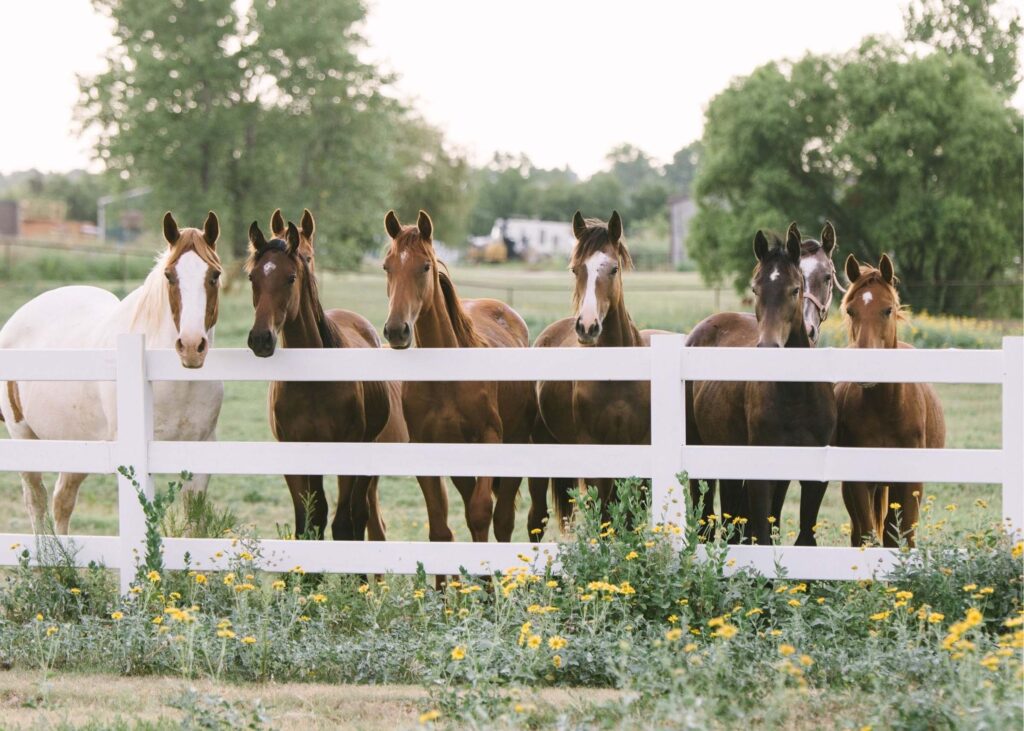
At Performance Equine Nutrition, we sometimes hear from owners whose new horse seems to “change personalities” after arriving home. Training may be part of the picture, but the stress of hauling, a new environment, different feed and water, and a changed routine can also affect how a horse feels and behaves.
The Hidden Impact of Relocation: Christy’s Story
(Note: Names have been changed to protect client confidentiality.)
The Trusty Barn Favorite
Christy purchased a talented four-year-old reining mare with earnings in the show pen. The mare was a barn favorite, and her 40-minute sales video included a significant amount of bridleless work. After a clean pre-purchase examination, Christy had her shipped from New Mexico to Wisconsin.
A Different Horse One Month Later
Within about 30 days, Christy was seeing a very different pattern:
- The mare could no longer be ridden bridleless.
- She was anxious and pushy in the bridle.
- She began cross-firing in the round pen.
- She became grumpy about grooming, spooky, and unpredictable.
- She sometimes popped up during lead departures and appeared tight through her back.
Looking at the Whole Transition
These changes were not enough to diagnose a magnesium deficiency. Sudden behavior or performance changes can have many causes, including pain, illness, saddle fit, training, ulcers, reproductive factors, and environmental stress. Veterinary evaluation is important when a horse becomes uncomfortable or unpredictable.
Relocation was still useful context. A long-distance haul, different forage and water, a new climate, and a major routine change can increase stress. For some horses, that may also change nutritional needs or reveal a shortfall that was less apparent in the previous environment.
Christy’s mare was showing signs that could reflect muscle tension or discomfort, but those signs were not specific to one cause. Rather than treating the behavior as a simple training problem, Christy began looking at the mare’s full management picture.
The Support Plan
As one part of that broader review, Christy started the mare on a loading dose of MagRestore. The goal is to monitor her response while continuing to evaluate her comfort, diet, training, and adjustment to the new environment. A response to supplementation may provide useful information, but it does not by itself prove the cause of the original behavior.
We will follow up with Christy to learn how the mare progresses and whether additional management changes are needed.
Is your new horse struggling to settle in? Look at the whole pattern, including comfort, veterinary concerns, diet, workload, and environmental stress. You can also take our Magnesium Deficiency Questionnaire as one part of that review.